
Why Fashion Feels Female — and How Retail Can Dress Men for Style
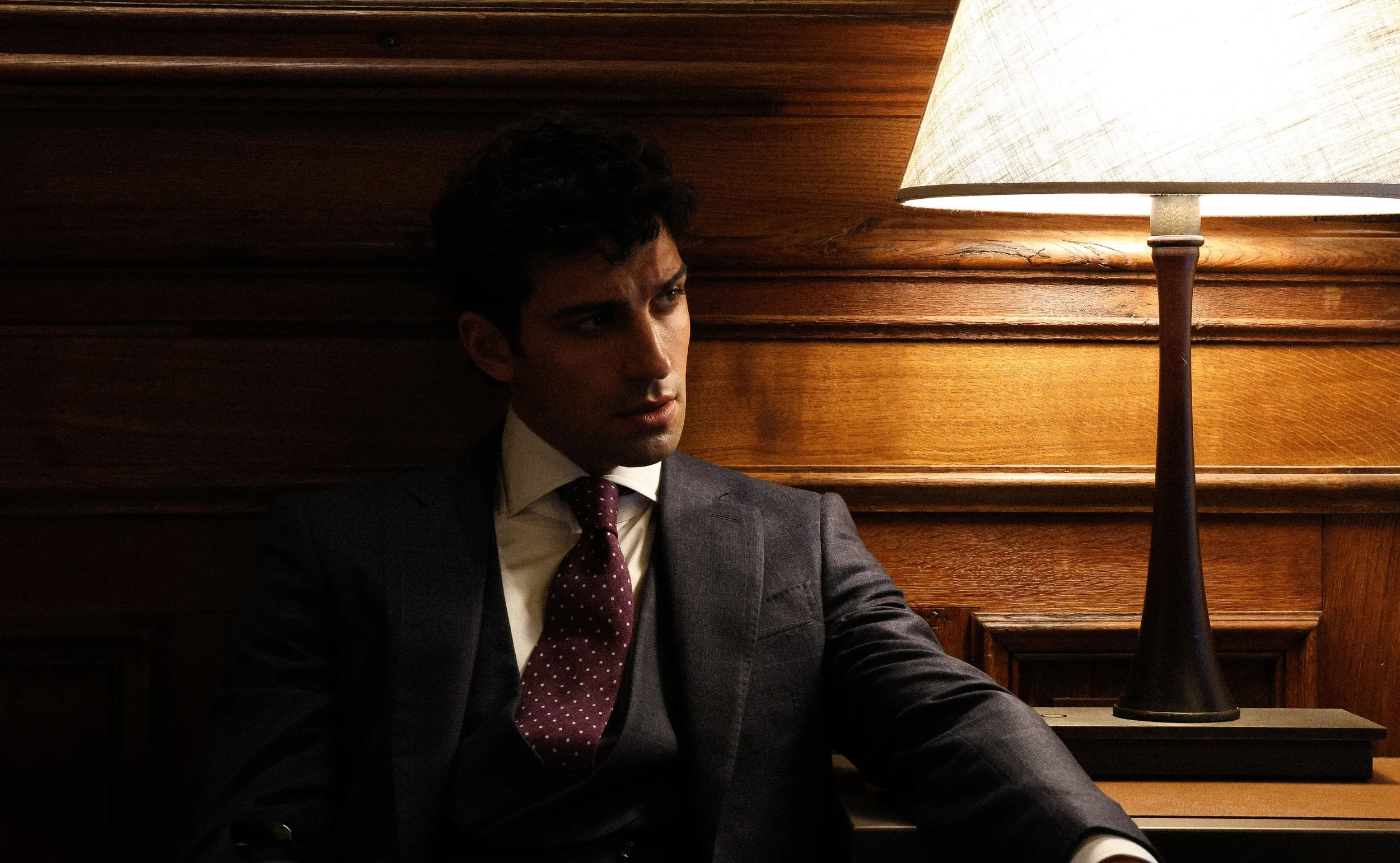
cifonelli - COLLECTION FW25
Walk into almost any high street or shopping centre and the message is obvious: fashion is for women. The womenswear department is the showpiece — bright, large, endlessly refreshed — while the men’s area is compact, functional, often an afterthought. That imbalance isn’t merely a quirk of visual merchandising; it is the visible consequence of decades of buying habits, retail economics and cultural attitudes. But the scene is changing, and how retailers respond could remake what we think of as men’s style.
The numbers still favour women
Surveys and spending breakdowns in the UK and US repeatedly show women buy clothing more frequently and account for a larger share of apparel spend. Retailers follow the money: they allocate floor space, SKU depth and editorial effort where turnover and impulse rates have historically been higher. The result is a retail ecosystem that amplifies female choice and signals — implicitly — that men need less variety.
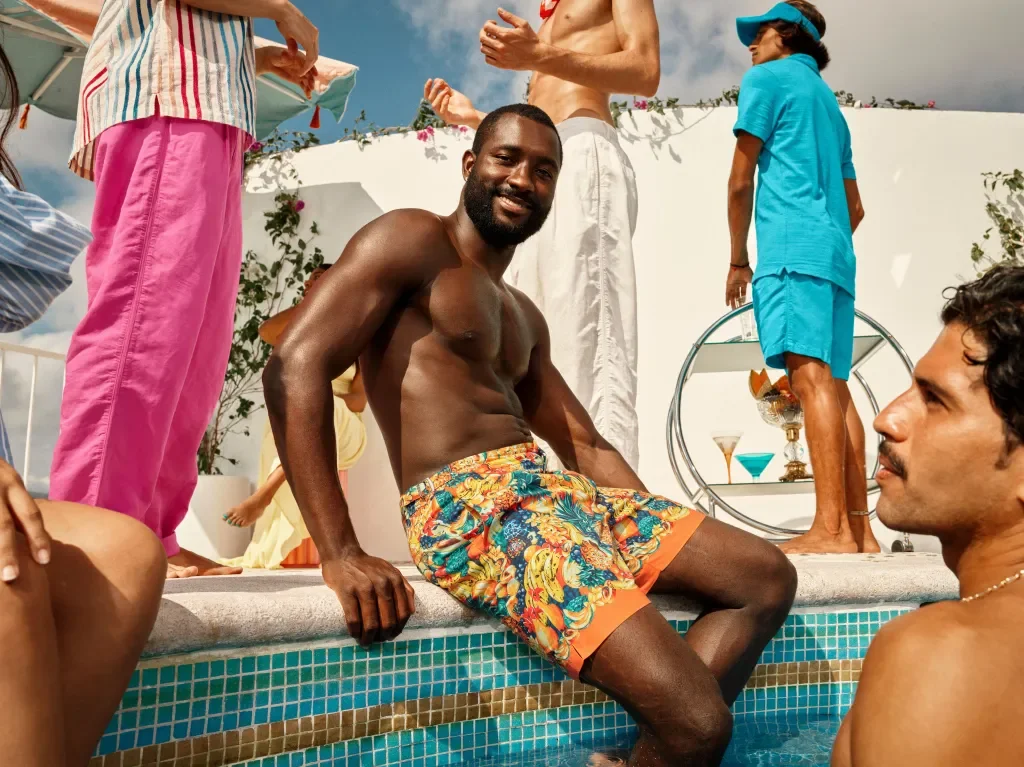
orlebar brown
Menswear is catching up online
E‑commerce has been the accelerant. Pure‑play menswear brands, direct‑to‑consumer labels, and marketplace assortment have multiplied choices far beyond what a typical store shelf could accommodate. Industry reports track strong growth in online menswear, and consumer behaviour data show a rising number of men experimenting with trends, grooming and premium basics. Digital retail doesn’t merely widen choice; it changes discovery. Where a small in‑store section once limited options, a search bar and thumbnail grid offer endless alternatives.
Choice alone won’t create style — presentation matters
Would more choice make men more fashionable? Probably — but not simply by supply. Behavioural studies and consumer insights suggest many male shoppers value efficiency: fit, durability and brand trust often trump exploration. If a retailer dumps thousands of SKUs into a men’s landing page without curation, most male customers will hit filters, buy a dependable basic and leave. Conversely, when choice is paired with clear fit guidance, styling advice, easy returns and confident editorial, a significant cohort responds. In short: men will be more adventurous if retailers remove friction and make experimentation low‑risk and high‑reward.
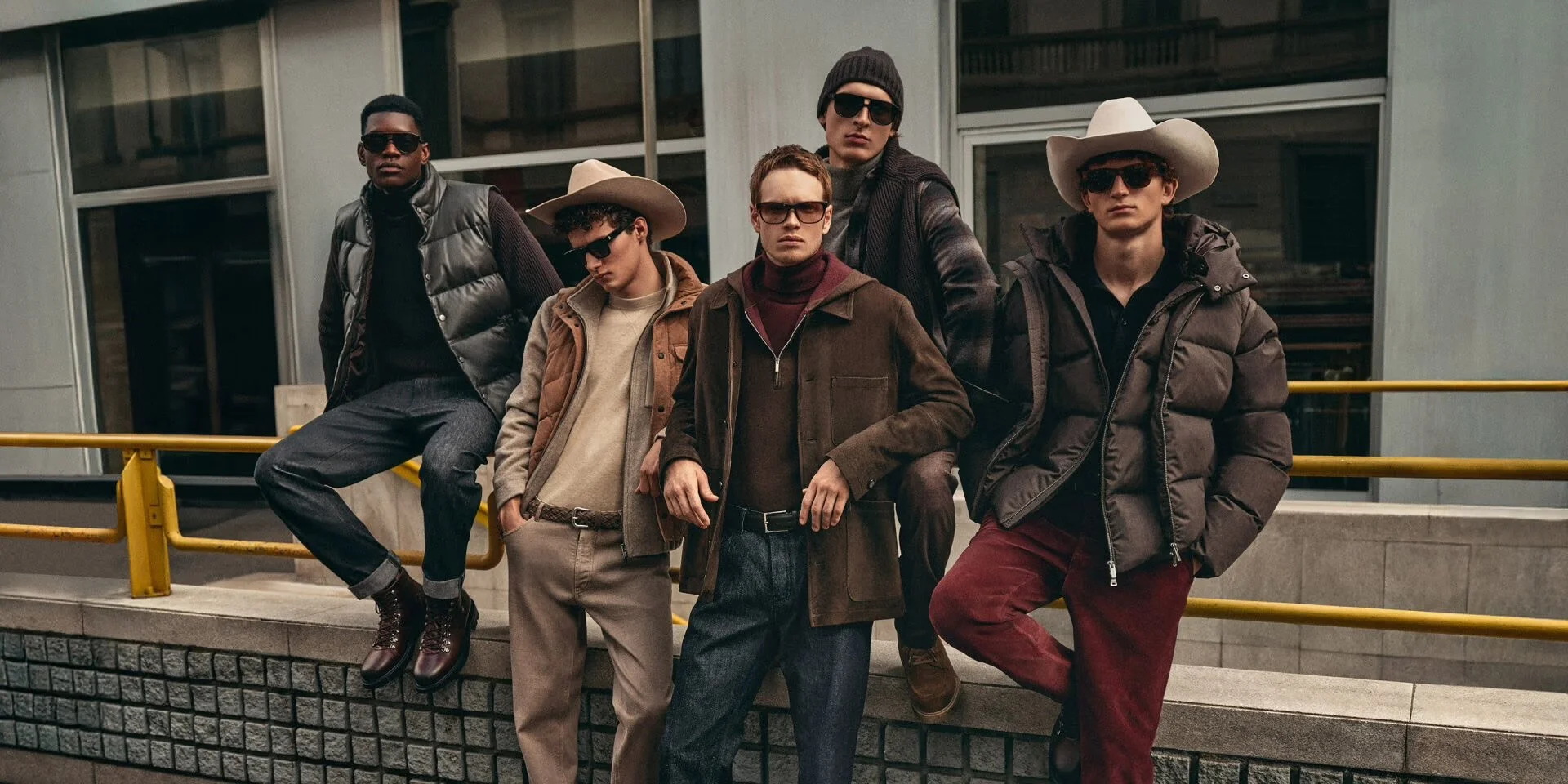
Boggi Milano
Culture shapes sartorial norms
The stereotype that French and Italian men are more stylish than their American, British or Irish counterparts is rooted in real differences: centuries of tailoring tradition, an everyday social expectation that men attend to their appearance, and local industries that normalise fit and craftsmanship. In Milan or Naples, fine cut and proportion are part of civic life; in Paris, the art of seeming effortless is taught by example. By contrast, parts of the Anglosphere have long favoured pragmatism and casual dress codes, where conspicuous concern for appearance can be read as vanity. These cultural norms shape what retailers stock, how they style mannequins and — crucially — what men think is acceptable.
Culture is not destiny
The diffusion of fashion media, celebrity influence and social platforms has softened old taboos. Grooming, tailoring and sartorial expression have steadily entered mainstream masculine identities, particularly among younger cohorts. Retailers who pick up on this shift can create a virtuous circle: better product, smarter presentation and confidence‑building services drive more purchases, which then justify further investment in the category.
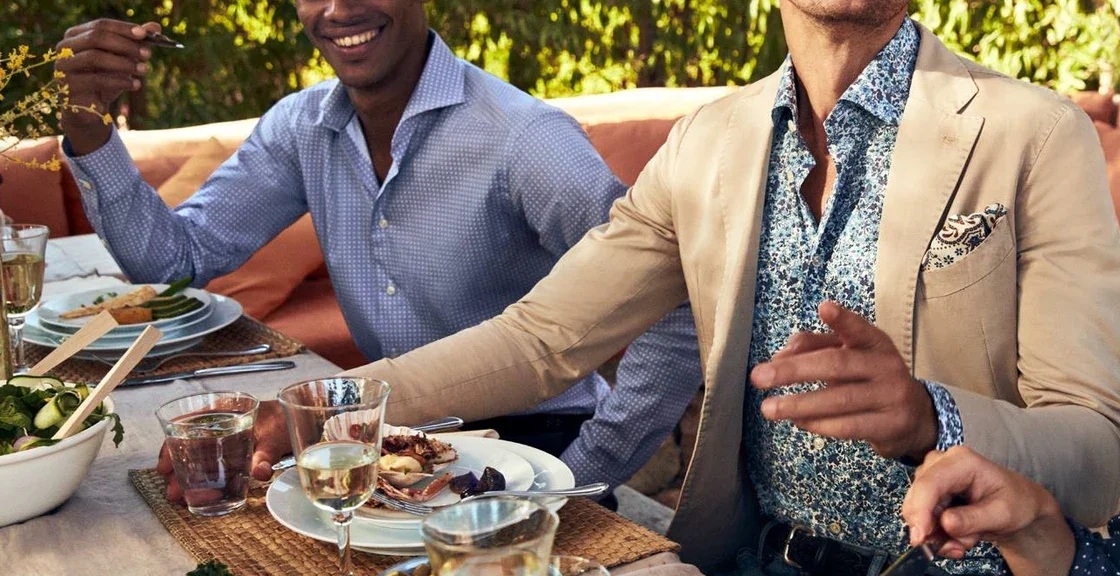
Eton Shirts
Five European brands that cater to men — and why they matter
- Orlebar Brown (UK) — Founded as tailored swimwear for men, Orlebar Brown has expanded into resort and casual suiting while retaining a singular focus on menswear. Their product language (tailored swim shorts, purposeful prints, strong fits) and marketing target male leisure and travel, making style accessible for men who value function plus polish.
- Cifonelli (France) — A storied Parisian tailoring house known for bespoke and made‑to‑measure men’s suits. Cifonelli’s craft tradition, racer‑sharp shoulder lines and couture approach underscore how a menswear‑only dedication can sustain a culture of fit and refinement that influences wider menswear norms.
- Eton (Sweden) — Renowned for premium men’s shirts, Eton concentrates on shirting innovation: fabric, collar construction and finishing. By specialising, the brand solves a core male wardrobe problem (the perfectly cut, durable shirt) and becomes a trusted go‑to for men who prioritise fit and longevity.
- Boggi Milano (Italy) — A high‑street to contemporary menswear label rooted in Italian tailoring. Boggi focuses on suits, smart‑casual separates and modern office wear for men, translating tailoring heritage into accessible ready‑to‑wear that foregrounds fit and proportion for everyday life.
- Albam (UK) — A small independent menswear label combining workwear and classic British tailoring. Albam’s pared‑back collections, emphasis on fabrics and practical detailing appeal to men who want thoughtfully designed, durable clothes without fashion‑led risk.
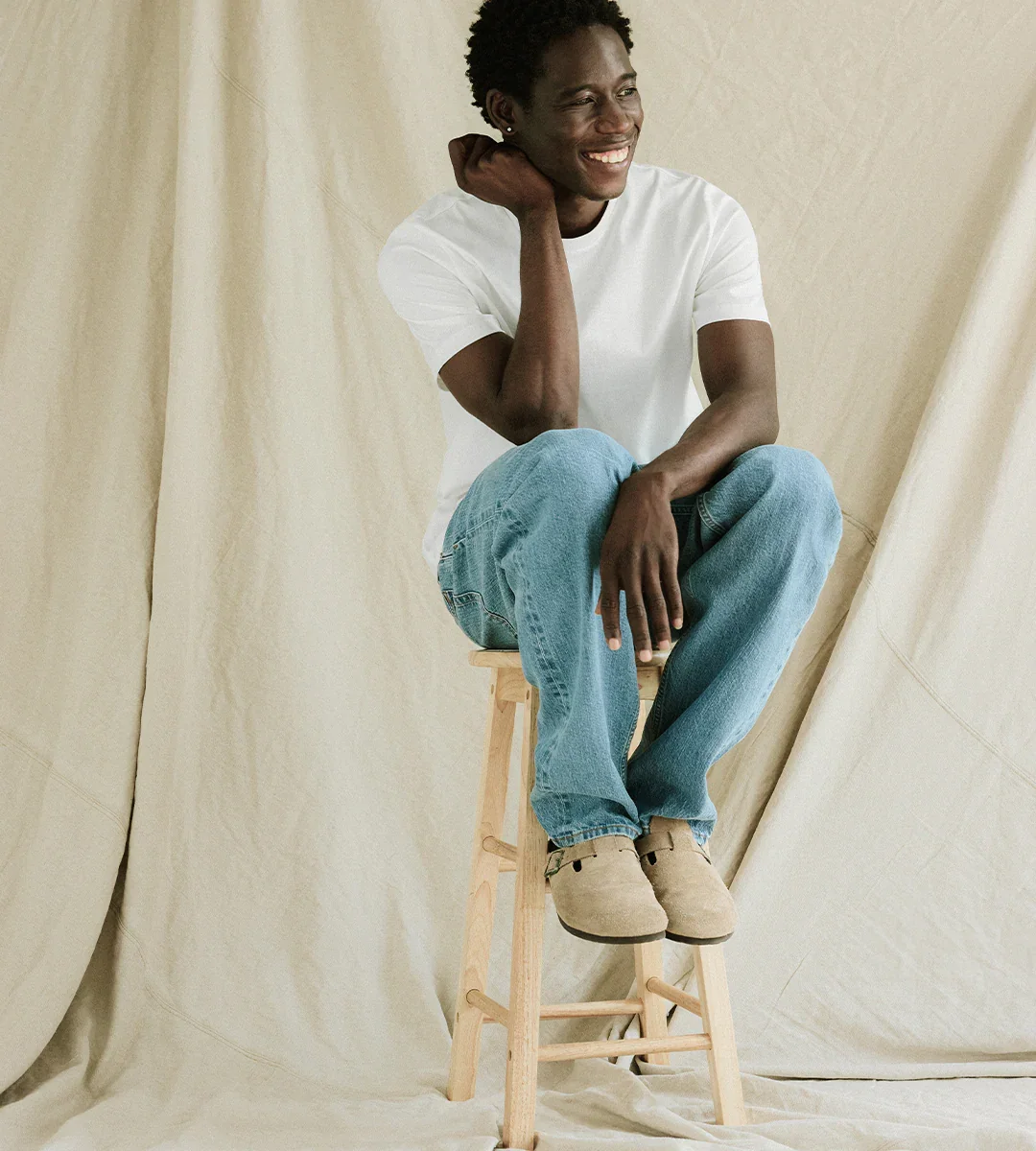
Albam - Denim
What retailers should do
- Treat men’s fashion as a full category, not a compacted afterthought: curated assortments, stronger editorial content and fit tools.
- Design in‑store experiences that invite browsing: try‑on areas, visual storytelling and staff who can offer styling guidance.
- Market to identity and aspiration, not just utility: men respond when clothing helps them perform a role — professional, social or personal — with confidence.
The social case for retail equity
Retail equity is more than commerce; it is recognition. Equal shelf space and thoughtful presentation signal that different expressions of identity are valued. If men increasingly feel permitted — even encouraged — to care about clothes, that loosens restrictive norms about masculinity and opens new markets at the same time.
Conclusion
Women still shop more for fashion, and retail footprints reflect that truth. But menswear’s momentum is undeniable. The opportunity is straightforward — and urgent — for retailers: invest in choice, presentation and risk‑reducing services for men, and you’ll not only unlock sales but actively shape a cultural shift. Give men the tools and the tailoring tradition of Milan or Paris becomes less a matter of birthplace and more a matter of access.